Overseas Biomass Pellet Line: 12-15 t/h Forestry Waste Processing
International · 2024 · biomass pellet production
Project Summary
A repeat customer recently commissioned an overseas biomass pellet production line with a rated capacity of 12-15 metric tons per hour. The project centers on Kingwood JZWH-860 horizontal pellet mills and represents a reorder based on proven performance from prior installations. The customer selected Kingwood equipment specifically for its stable operation and high biomass conversion efficiency in forestry waste applications.
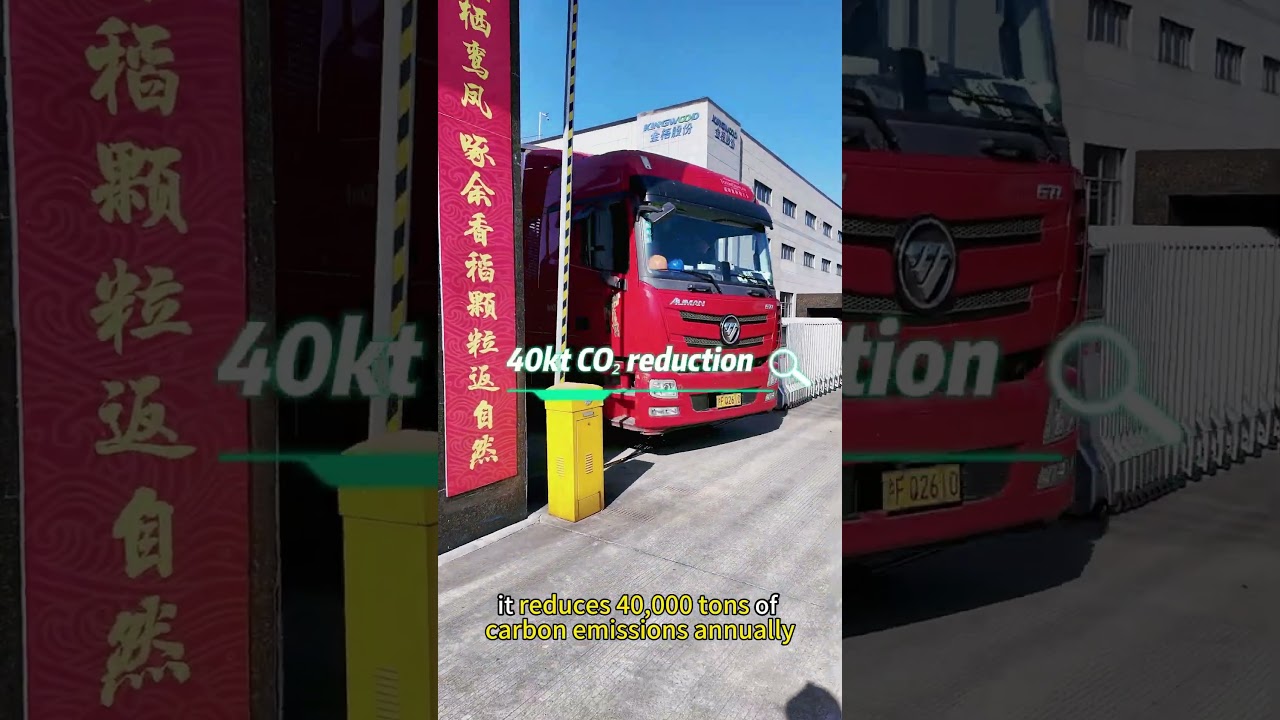
The production line processes agricultural and forestry residues at approximately 6 tons of raw feedstock per hour, achieving an annual carbon emission reduction of 40,000 metric tons. This figure reflects the displacement of fossil fuels through biomass pellet combustion in industrial heating applications. The project adopts Kingwood’s integrated manufacturing approach: enclosed processing, automated material handling, and centralized dust removal systems that meet industrial air quality standards for biomass processing facilities.
According to IEA Bioenergy Task 40, forestry residues represent approximately 40% of global sustainable biomass feedstock for pellet production, making this feedstock category strategically important for decarbonization in regions with active forestry sectors. The customer’s decision to scale up capacity with a second Kingwood installation indicates confidence in equipment reliability and return on investment from the initial deployment.
Equipment and Capacity
The core pelletizing section features multiple Kingwood JZWH-860 horizontal biomass pellet mills operating in a multi-station configuration. Each mill is equipped with servo motors that provide precise speed control and reduce electrical consumption compared to fixed-speed drive systems. ETIP Bioenergy technical reports indicate that servo drive systems in industrial pellet mills can reduce energy consumption by 15-25% relative to conventional motors, a factor that directly impacts operating cost in continuous production environments.
The JZWH-860 model has a rated capacity of 4-5 metric tons per hour per unit under standard operating conditions with wood feedstock at 12-15% moisture content. The transcript indicates a total line capacity of 12-15 t/h, suggesting a three-mill configuration with coordinated feed distribution. This multi-station approach provides operational flexibility: individual mills can be taken offline for maintenance without halting the entire production line, a design consideration important for continuous industrial operations.
Upstream equipment includes hammer mills for size reduction, drum dryers for moisture control, and automated feeding systems. Downstream, counter-flow coolers reduce pellet temperature to ambient levels before packaging. The entire line operates under negative pressure with integrated dust collection, meeting occupational health standards for biomass processing facilities. For procurement teams evaluating similar projects, Kingwood offers complete line design services up to 200,000 metric tons per year capacity, as detailed on the JWZL-928 vertical biomass pellet mill product page.
Watch the Project
The video below shows the production line during commissioning and initial operation. Footage includes the pellet mill section, material handling systems, and finished pellet output.
The customer’s repeat procurement decision reflects a broader trend in industrial biomass markets: operators prioritize equipment suppliers with demonstrated uptime and technical support capabilities over initial capital cost alone. Kingwood’s 27 years of R&D experience and installation base across 30 countries provide the operational track record that procurement teams require for capital equipment decisions in the biomass energy sector.
Sources
- YouTube video A18cMFypbeU (Kingwood site footage)
- IEA Bioenergy Task 40, “Sustainable International Bioenergy Trade” (2023)
- ETIP Bioenergy, “Advanced Pelletizing Technologies for Industrial Biomass” (2024)
→ Explore Kingwood International biomass pellet mill equipment on our main site (kingwood-china.com)